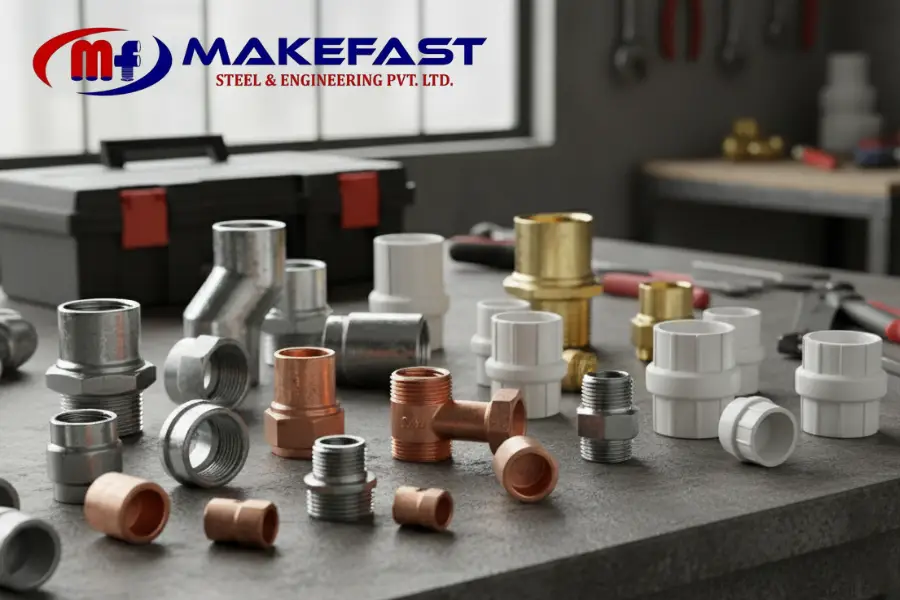
The Complete Guide to Pipe Fitting Connections: Threaded, Welded & Flanged
In the world of plumbing, construction, and industrial applications, pipe fitting connections are the unsung heroes that ensure seamless fluid or gas flow while maintaining system integrity. Whether you're building a residential water system, an oil refinery, or a chemical plant, understanding the different types of connections threaded, welded, and flanged is essential for efficiency, safety, and longevity. This guide breaks down these methods, exploring their mechanics, advantages, disadvantages, and best uses. We'll also touch on key aspects like selecting a reliable pipe fittings supplier or pipe fittings manufacturer to ensure you get high-quality components. By the end, you'll be equipped to make informed decisions for your projects, potentially saving time and costs.
What Are Pipe Fitting Connections?
Pipe fitting connections are the methods used to join pipes, valves, and other components in a piping system. They must withstand pressure, temperature variations, and environmental factors while preventing leaks. The three primary types threaded, welded, and flanged each offer unique benefits based on the application's requirements. Threaded connections involve screwing pipes together, welded connections fuse them permanently, and flanged connections use bolted plates for easy assembly and disassembly.
Choosing the right connection depends on factors like material compatibility, pressure ratings, and ease of maintenance. For instance, in high-pressure systems, welded connections might be preferred for their strength, while flanged ones allow for quick inspections. When sourcing materials, partnering with a trusted pipe fittings manufacturer can ensure compliance with standards like ASTM or ASME. This guide will delve into each type, helping you navigate the options available from leading pipe fittings suppliers.
Threaded Connections: Simplicity and Versatility
Threaded connections are one of the most straightforward and widely used methods in pipe fitting. They involve cutting threads into the ends of pipes or fittings and screwing them together using a sealant or tape to prevent leaks. Common materials include steel, brass, or PVC, making them suitable for low to medium-pressure applications like residential plumbing or irrigation systems.
The advantages of threaded connections are numerous. They are easy to install and disassemble without specialized tools, which reduces labor costs and allows for quick modifications. This makes them ideal for projects where accessibility is key, such as in HVAC systems or water supply lines. However, threaded connections have limitations; they can be prone to leaks if not properly sealed, especially in high-vibration environments, and they may corrode over time in harsh conditions.
When selecting threaded fittings, consider working with a reputable pipe fittings supplier to ensure the threads are precise and meet industry standards. For example, a pipe fittings manufacturer might offer pre-threaded options in various sizes, from ½ inch to 4 inches, to streamline your procurement process. In summary, threaded connections excel in cost-effective, flexible setups but require regular maintenance to maintain their performance.
Welded Connections: Strength and Permanence
Welded connections provide a robust, leak-proof join by fusing the pipe ends together using heat and filler material. This method includes techniques like butt welding, socket welding, or fillet welding, depending on the pipe size and application. Welded connections are commonly used in high-pressure environments, such as oil and gas pipelines or chemical processing plants, where reliability is paramount.
The primary benefit of welded connections is their superior strength and resistance to pressure, temperature, and vibration. Once welded, the joint becomes as strong as the pipe itself, eliminating weak points and minimizing the risk of failure. This permanence also reduces the need for ongoing maintenance, making it a cost-effective choice for long-term installations. However, welding requires skilled labor and specialized equipment, which can increase upfront costs and make disassembly difficult if changes are needed.
For those in the market for welded fittings, consulting a pipe fittings supplier that specializes in weldable materials like stainless steel or carbon steel is crucial. They can provide guidance on selecting the right fittings to ensure compatibility and durability. Overall, welded connections are the go-to for critical applications where safety and longevity outweigh the initial investment.
Flanged Connections: Flexibility and Ease of Maintenance
Flanged connections involve attaching flanges circular discs with bolt holes to the ends of pipes, then bolting them together with a gasket in between. This method is highly versatile and includes subtypes like weld neck flanges and blind flanges. Weld neck flanges, which have a long tapered neck that welds to the pipe, are ideal for high-pressure systems due to their strength and alignment capabilities. Blind flanges, on the other hand, are used to seal the end of a pipe or pressure vessel, providing easy access for inspection or cleaning.
When it comes to sourcing these components, partnering with a weld neck flanges supplier ensures you get products that meet stringent quality standards, such as ANSI B16.5. Similarly, for blind flanges, working with a blind flanges manufacturer or blind flanges supplier can offer customized options in materials like alloy steel or PVC, tailored to your project's needs.
The advantages of flanged connections include easy assembly and disassembly, which is essential for maintenance in industries like water treatment or power generation. They can handle a wide range of pressures and temperatures, and their modular design allows for flexibility in system design. Drawbacks include the potential for bolt corrosion and the need for precise alignment to prevent leaks. Despite this, flanged connections remain popular for their adaptability, especially in systems requiring frequent access.
Comparing Threaded, Welded, and Flanged Connections
Choosing the right connection type depends on your project's specific demands. Threaded connections are best for low-pressure, temporary, or easily accessible systems due to their simplicity and low cost. Welded connections shine in permanent, high-stress environments where strength is non-negotiable. Flanged connections offer a middle ground, providing the durability of welds with the ease of threaded options, making them suitable for large-scale industrial setups.
Factors like material cost, installation time, and maintenance needs should guide your decision. For instance, if you're dealing with corrosive fluids, welded or flanged options might be preferable. When procuring fittings, compare offerings from different pipe fittings manufacturers to find the best value, ensuring they provide certifications for quality and safety.
Tips for Selection, Installation, and Sourcing
Selecting and installing pipe fittings requires careful planning. Always assess the system's pressure, temperature, and fluid type to match the connection method. Proper installation, such as using the correct torque for flanged bolts or ensuring clean welds, is critical to avoid failures.
When sourcing, rely on established pipe fittings suppliers for a wide inventory and reliable delivery. For specialized items like weld neck flanges, a dedicated weld neck flanges supplier can offer expert advice and custom fabrication. Likewise, for blind flanges, check with a blind flanges manufacturer to ensure they meet your specifications, such as size, pressure rating, and material grade.
Mastering pipe fitting connections threaded, welded, and flanged empowers you to build efficient, reliable systems. Each type has its strengths, from the versatility of threaded connections to the permanence of welded ones and the flexibility of flanged options. By partnering with a trusted pipe fittings manufacturer or supplier, you can access high-quality components that enhance your project's success. Whether you're a DIY enthusiast or an industrial engineer, this guide equips you with the knowledge to make informed choices, ensuring your piping systems stand the test of time.