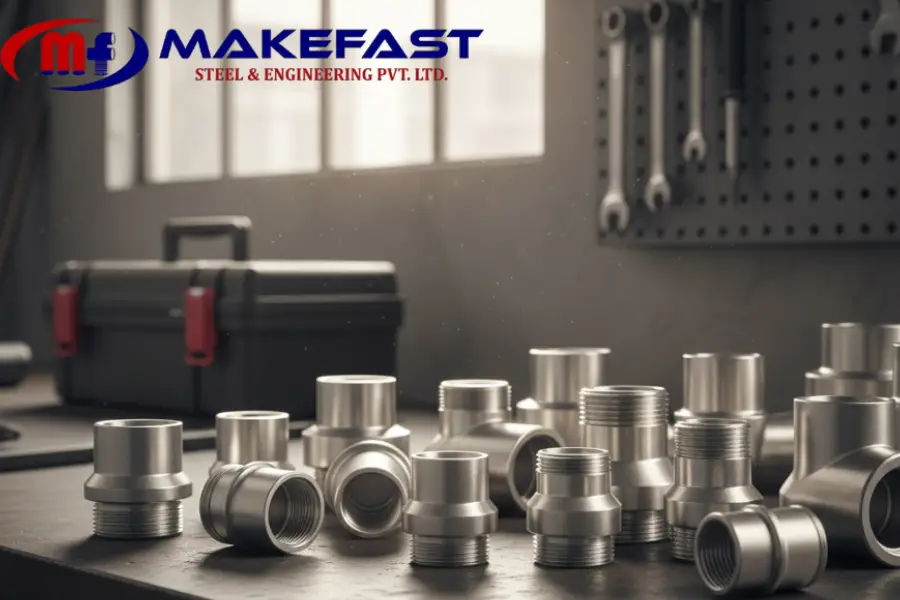
What Makes Stainless Steel Pipe Fittings the Preferred Choice for Industries?
In the demanding world of industrial piping, where reliability, safety, and efficiency are paramount, stainless steel pipe fittings have emerged as the go-to solution for countless applications. These fittings, crafted from alloys renowned for their exceptional properties, offer a blend of strength, corrosion resistance, and versatility that few materials can match. From chemical plants and oil refineries to food processing facilities and construction sites, industries rely on stainless steel pipe fittings to ensure seamless operations and longevity. In this article, we'll explore the key factors that make these fittings indispensable, while drawing comparisons with alternatives like carbon steel pipe fittings and highlighting the role of stainless steel fittings suppliers in making them accessible. By understanding these elements, you'll see why stainless steel continues to dominate the market.
The Superior Properties of Stainless Steel Pipe Fittings
At the heart of stainless steel pipe fittings' popularity is their unique composition, primarily consisting of iron, chromium, nickel, and other alloying elements. The addition of at least 10.5% chromium creates a passive layer of chromium oxide on the surface, which protects the material from rust and corrosion even in harsh environments. This makes stainless steel fittings ideal for industries dealing with moisture, chemicals, or extreme temperatures, where other materials might fail prematurely.
Stainless steel pipe fittings also boast impressive mechanical strength and ductility, allowing them to withstand high pressures and thermal stresses without cracking or deforming. For instance, grades like 304 and 316 stainless steel offer excellent tensile strength, ranging from 500 to 750 MPa, depending on the alloy. This durability translates to fewer replacements and repairs, reducing downtime and operational costs over time. Moreover, these fittings are hygienic and easy to clean, which is crucial in sectors like pharmaceuticals and food and beverage, where contamination could lead to serious issues.
Compared to carbon steel pipe fittings, which are often cheaper initially, stainless steel fittings provide superior resistance to oxidation and pitting. Carbon steel pipe fittings, while strong and widely used in less corrosive environments like structural applications, are prone to rust when exposed to water or chemicals, necessitating frequent maintenance or protective coatings. This vulnerability can lead to leaks, safety hazards, and higher long-term expenses, making stainless steel the more reliable choice for critical systems.
Versatility Across Industries
The adaptability of stainless steel pipe fittings is another reason they're favored across diverse sectors. In the oil and gas industry, for example, these fittings handle the transport of crude oil, natural gas, and refined products under extreme conditions, including high pressures and corrosive substances. Their ability to resist sulfide stress cracking and hydrogen embrittlement ensures safety and efficiency in offshore platforms and pipelines.
In the food processing and pharmaceutical industries, stainless steel fittings are essential due to their non-reactive nature and compliance with strict hygiene standards. They don't impart tastes or odors to products and can withstand repeated sterilization processes, such as high-temperature washing or autoclaving. This is a significant advantage over carbon steel pipe fittings, which might require galvanization or painting to prevent contamination, adding complexity and potential health risks.
Construction and architecture also benefit from stainless steel pipe fittings, particularly in exposed structures like bridges, railings, and water systems. Their aesthetic appeal, with a sleek, modern finish, combined with low maintenance needs, makes them ideal for both functional and decorative purposes. As industries evolve, the demand for materials that can adapt to new technologies, like renewable energy systems, further cements stainless steel's position.
Cost-Effectiveness and Long-Term Value
While the upfront cost of stainless steel pipe fittings may be higher than that of carbon steel pipe fittings, their long-term value is undeniable. The initial investment is offset by reduced maintenance, extended lifespan, and lower risk of system failures. For instance, in a chemical plant, replacing corroded carbon steel fittings every few years can lead to significant labor and material expenses, whereas stainless steel fittings can last decades with minimal upkeep.
Energy efficiency is another hidden benefit. Stainless steel's smooth interior surface reduces friction in fluid flow, improving pump performance and cutting energy consumption in large-scale operations. Additionally, its recyclability supports sustainable practices, appealing to environmentally conscious companies. A study by the World Steel Association indicates that stainless steel products can reduce lifecycle costs by up to 40% compared to alternatives, making them a smart economic choice.
When sourcing these fittings, partnering with reputable stainless steel fittings suppliers is crucial. These suppliers offer a wide range of products, from elbows and tees to flanges and valves, often with customization options to meet specific industry needs. For example, a reliable stainless steel fittings supplier can provide fittings in various grades, sizes, and finishes, ensuring compatibility with existing systems and compliance with international standards like ASTM or ISO.
Challenges and Maintenance Considerations
Despite their advantages, stainless steel pipe fittings aren't without challenges. They can be susceptible to certain types of corrosion, such as stress corrosion cracking in chloride-rich environments, which requires careful material selection and design. Proper installation and regular inspections are key to mitigating these issues. Unlike carbon steel pipe fittings, which might need protective treatments, stainless steel generally requires less maintenance, but it's still important to avoid contamination during handling and storage.
Maintenance involves periodic cleaning to preserve the protective oxide layer, using methods like passivation or electropolishing for enhanced durability. Industries must also consider factors like welding compatibility, as improper techniques can compromise the material's corrosion resistance. By addressing these aspects proactively, the benefits of stainless steel far outweigh the drawbacks.
The Role of Suppliers in the Supply Chain
In today's global market, stainless steel fittings suppliers play a pivotal role in ensuring a steady supply of high-quality products. These suppliers often work closely with manufacturers to offer certified, traceable fittings that meet regulatory requirements. For instance, if you're in the market for carbon steel pipe fittings as a backup option, a versatile stainless steel fittings supplier might also provide those, allowing for a one-stop solution.
Choosing the right supplier involves evaluating factors like inventory depth, delivery times, and technical support. A good supplier can offer value-added services, such as custom fabrication, testing, and logistics assistance, which streamline procurement and reduce project delays. This partnership not only ensures access to premium products but also fosters innovation, as suppliers stay abreast of emerging trends like sustainable manufacturing.
A Future-Proof Choice
W makes stainless steel pipe fittings the preferred choice for industries is their unmatched combination of durability, versatility, and long-term cost savings. From withstanding corrosive environments to meeting stringent hygiene standards, these fittings outperform alternatives like carbon steel pipe fittings in most demanding applications. As industries continue to prioritize efficiency and sustainability, the role of stainless steel fittings suppliers becomes even more critical in delivering reliable, high-quality solutions.
Whether you're upgrading an existing system or designing a new one, investing in stainless steel pipe fittings is a decision that pays dividends in safety, performance, and reduced operational hassles. By understanding their properties and leveraging the expertise of trusted suppliers, industries can build infrastructure that stands the test of time. In a world where reliability is everything, stainless steel pipe fittings aren't just a component they're a cornerstone of success.